The Bagnas reserve at Agde in the Hérault is an exceptional site, home to a diverse flora. This plant diversity is linked to the different habitats present in the reserve, including ponds, marshes, wet meadows and dunes. To date, 572 plant species have been recorded. Of these, 57 present significant conservation challenges. Particularly rare species associated with Mediterranean temporary lagoons, such as the threadlike althenia and the bryophyte of Community interest Riella helicophylla, are also protected.
In this article, discover the typical flora of the Bagnas, some invasive species to watch out for to preserve the reserve, and a surprising initiative to exploit them.
The typical flora of the Bagnas reserve
The Bagnas reserve is home to many naturally-occurring plant species that benefit its ecosystem.
Glasswort
Glasswort, a halophilous plant adapted to saline environments, is typical of Mediterranean wetlands, and can be recognized by its succulent, branch-like stems. It stabilizes saline soils and provides a habitat for various species of birds and insects. It is also eaten in some regions for its nutritional properties.
Stumps and rushes
Stumps and rushes are herbaceous plants typical of wet meadows such as those of the Bagnas. With their robust stems, souchets and finer rushes play a crucial role in water filtration, absorbing pollutants and stabilizing sediments. They also provide a refuge for local fauna, contributing to the reproduction and feeding of many species, thus enhancing the reserve’s biological diversity.
The tamarisk
Tamarisk, a tree or shrub common to salt marshes and riparian zones, is valued for its tolerance of saline soils and dry conditions. It stabilizes soils with its extensive root system, preventing erosion, and provides a habitat for many animal species, including birds. Its flowers attract a variety of pollinating insects.
? See also: Discover Verdisses, a natural site rich in biodiversity
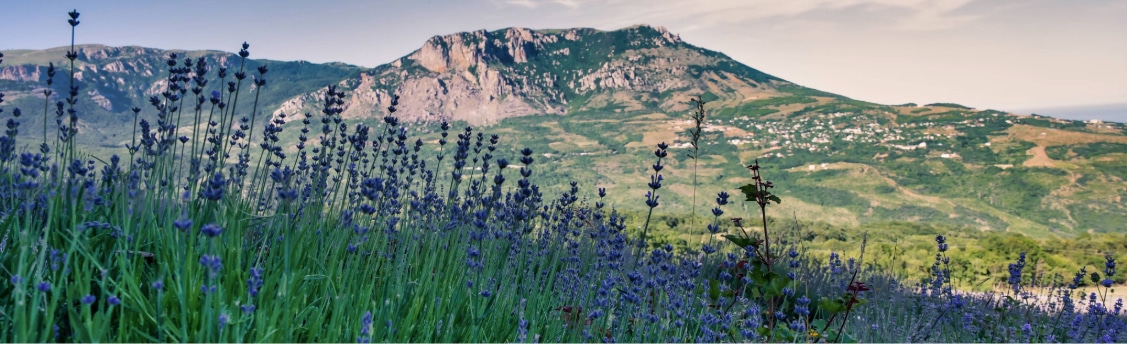
The plant and local diversity of Bagnas
Other non-intrusive species in the Bagnas include :
- Oyat, or sand reed, plays a crucial role in preventing dune erosion and provides a habitat for numerous animal species.
- Mugwort, an aromatic herb used by wildlife as a food source and by pollinating insects as a habitat.
- Sea fennel, recognizable by its fleshy leaves and yellow flowers in summer, is adapted to saline soils and is eaten by certain insects and birds.
- Lavender is an excellent attractant of pollinating insects, particularly bees, and contributes to the biodiversity of dry grasslands.
- The evergreen holm oak, typical of Mediterranean scrubland, provides a habitat for a multitude of animal species and plays an essential role in soil conservation by preventing erosion.
These plant species present in the Bagnas reserve therefore contribute to the proper functioning of the ecosystem, feeding animal species and maintaining soil and water quality. A natural treasure trove that’s easy to explore for half a day on a 4-star Campsite in Hérault, just a few kilometers from the reserve.
? See also: Discover Agde’s flora and fauna in autumn
Invasive alien plant species (IAS)
However, the Bagnas is faced with the introduction of exotic species, often invasive, which disrupt this fragile balance. Some of these plants, introduced deliberately or accidentally, are taking over from native flora and modifying local ecosystems.
The witch’s claw
Witches’ claw, native to South Africa, is a creeping succulent plant that rapidly colonizes dunes and coastal areas, forming dense mats and preventing light from reaching the ground, choking out native vegetation.
The Bohemian olive tree
The Bohemian olive, an ornamental plant native to Asia, tolerates poor soils and arid conditions, and modifies plant communities by dominating space and competing with native species for water and nutrients.
The prickly pear
The prickly pear, native to Mexico, takes root in arid Mediterranean environments, forming massive clumps that disrupt local habitats. The prickly pear’s thorny bark makes it difficult to remove, and it chokes out native vegetation, reducing plant diversity.
Cape ragwort
Cape ragwort, a species native to southern Africa, is particularly abundant in Bagnas, where it colonizes roadsides and degraded environments. With its rapid life cycle and abundant seed production, it prevents local species from establishing themselves.
Pampas grass
Native to South America, pampas grass is known for its large tufts of leaves and feathers. Once established, it forms dense clumps that inhibit the growth of other vegetation and compromise the regeneration of native species, thus affecting biodiversity.
Canada fleabane
Canada fleabane is an annual plant native to North America that invades open areas and stream banks. It thrives in disturbed environments, hindering the germination of native species and contributing to bank erosion.
Creeping primrose willow
Creeping water primrose is a South American aquatic species that forms dense mats on the water surface, depriving other aquatic plants of light and reducing oxygen levels, creating dead zones for aquatic fauna.
The shore vine
The shoreline vine comes from North America and is very present in Bagnas, where it proliferates along the banks. Its invasive lianas choke out local trees and shrubs, disrupting the dynamics of riparian forests and threatening the diversity of river ecosystems.
An innovative initiative combining nature and gastronomy
Faced with this proliferation of exotic species, we are taking steps to limit their impact while encouraging native species.
Initiatives such as Mission Flore*, for example, involve volunteers in operations to identify and remove invasive plants.
There are also monitoring and eradication actions, in collaboration with local associations such asADENA, to preserve the unique biodiversity of the Bagnas.
Since this summer, the latter has undertaken an original initiative in collaboration with Marseillan’s Foodlab La Capéchade: using and showcasing invasive exotic plants through culinary workshops.
Witch’s claw andBohemian olive are thus transformed into local products, helping to combat their spread while promoting the circular economy.
In October (on the 21st and 24th), nature outings were organized to raise awareness of these invasive species.
And on Tuesday December 10, a fun and educational evening will be followed by a tasting of recipes concocted from the plants harvested.
? See also: Discovering the nocturnal mammals of Bagnas
Taking action for biodiversity in Bagnas
The difficult cohabitation between endemic and exotic species highlights the importance of good management of natural areas to maintain ecological diversity and protect the most vulnerable species. If you’d like to find out more about these issues, please don’t hesitate to contact the Pays d’Agde environmental and nature protection association.
* The Mission Flore scheme, created by Tela Botanica, is supported by the French Ministry of Ecological Transition.



