Did you know there was a volcano in Agde? The town is steeped in fascinating geological history dating back a million years.
This region has been the site of intense volcanic activity, which has earned it the nickname “ the Black Pearl of the Mediterranean.” This geological landscape extends all the way to the pine forest at our campsite in Agde, makingthe Hérault a department that stands apart geologically.
Discover Agde’s often overlooked natural and geological heritage, which has had a profound impact not only on the landscape, but also on the town’s architecture and identity.
Here are 6 activities we recommend to discoverAgde’s volcanic heritage:
1 – Hiking at Mont Saint-Loup
To start things off, the first activity we recommend is a hike up Mont Saint-Loup, an extinct volcano that overlooks Cap d’Agde.
A hike along the “Sentier d’Émilie” forest trail offers panoramic views of the coast and volcanic geological formations.
Along the way, you can observe basalt rocks bearing witness to past volcanic eruptions.
You’ll also pass through a natural environment rich in Mediterranean essences with the scent of garrigue (pine forests, holm oak maquis, almond trees…).
? Mont Saint-Loup held a strategic position thanks to its semaphore station and the “Tower of the English” (18th century), which was used to warn of incursions by pirates and the English! The latter is the only remaining vestige of the former surveillance system along the Languedoc coast, along with the Castellas Tower in Sète.
? For cycling enthusiasts, there are numerous bike trails that allow you to explore the volcanic landscapes around Agde, particularly the gentle slopes of Mont Saint-Loup.
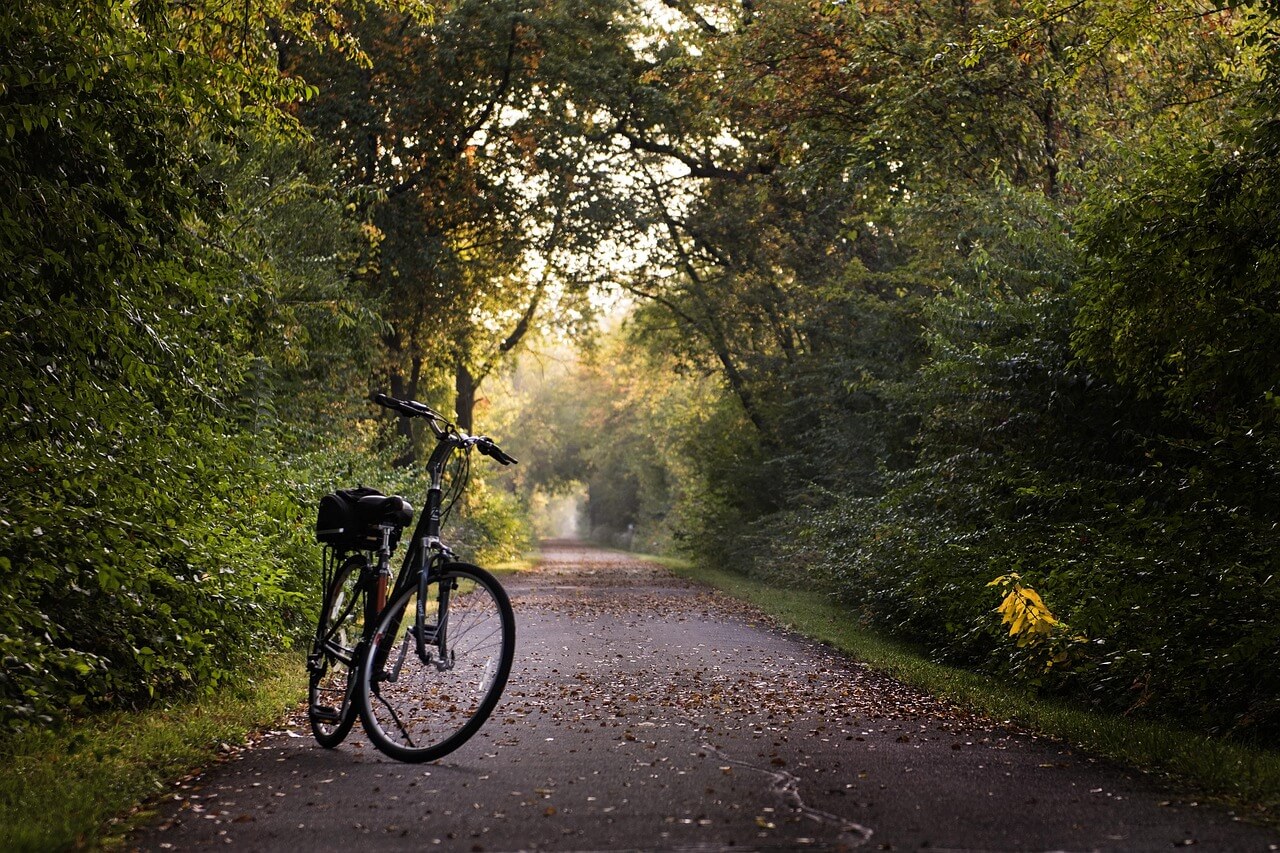
From the Mont Saint-Martin nature park, another of the region’s ancient volcanoes, you can enjoy panoramic views over the Agde region and Mont Saint-Loup.
2. Visit the town of Agde and its basalt architecture
It’s a must-see, of course. The old town of Agde is largely built of basalt stone from ancient lava flows.
⛪ Among other things, you can discover:
- St. Stephen’s Cathedral, one of the most impressive examples of medieval architecture in basalt stone, which served as both a place of worship and a defensive fortress;
- Saint-Sever church, less imposing, but also featuring thick basalt walls;
- the ramparts of Agde, fortifications built to protect the town from outside attacks and largely made of volcanic basalt;
- the 10 kilometers of basalt quays lined with old fishermen’s cottages.
3. Discover the Cap d’Agde coastline and volcanic cliffs
After a short climb up the dormant volcano and a visit to the old town, set off to discover the Cap d’Agde coastline.
A walk along the cliff path is a must for spectacular views, preferably at sunset.
From the Grande Conque lookout, overlook the beach and contemplate the basaltic cliffs below. It’s also an excellent place to observe the rock formations created by volcanic eruptions, including basaltic organs, columns of basalt formed by the rapid cooling of lava.
⛱️ Then head down to Agde’s famous black sand beach, the Grande Conque cove: the contrast between the sand and the blue waters of the Mediterranean is striking.
4. Underwater exploration of volcanic depths
Now, dive into Agde’s volcanic history!
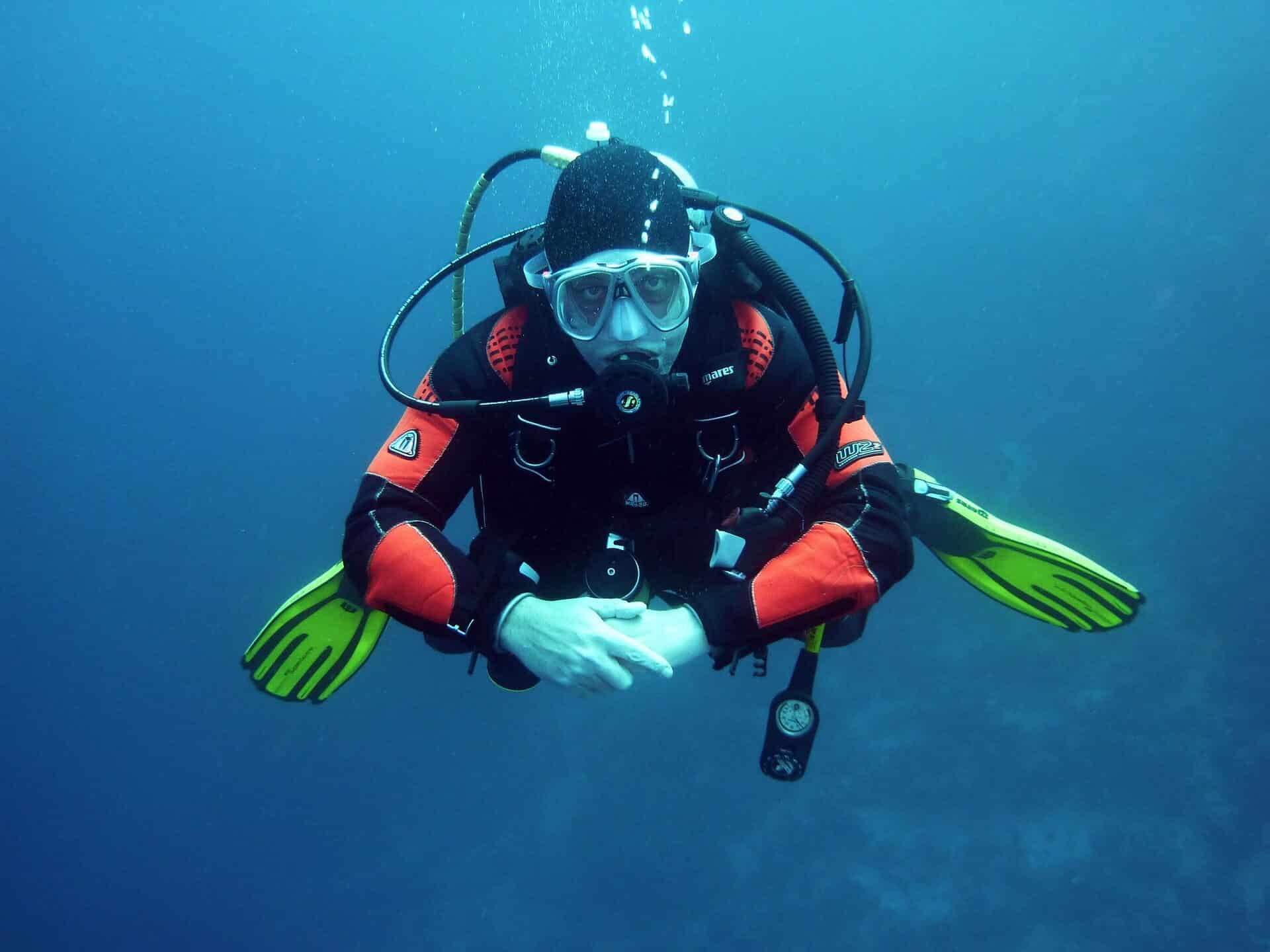
The seabed around Cap d’Agde is very popular with divers. They reveal underwater reliefs formed by volcanic activity, rich in marine biodiversity.
Several diving clubs offer excursions to explore them, particularly around the Brescou fort, itself perched on a volcanic islet.
⛵ If you prefer to stay on the boat, you can admire the Brescou fort on a short sea cruise.
5. Excursion to the Canal du Midi and the round lock at Agde
And for those who love to sail, don’t miss the iconic Canal du Midi, a UNESCO World Heritage site.
Or cycle along it to its exceptional round lock!
This unique and ingenious structure is built of basalt stone from local volcanoes, notably Mont Saint-Loup.
?️ Still in operation today, its circular shape allows it to manage three canal outlets: one leading to the Canal du Midi, another to the Hérault River, and a third to the Mediterranean Sea.
6. Volcano trail in the museum
? Finally, to learn aboutthe history of Agde’s volcanoes, visit its two museums:
- Musée de l’Éphèbe et d’archéologie sous-marine (Ephebe and underwater archaeology museum ): focusing mainly on Agde’s maritime history, this museum also looks at the geological and volcanic context that has shaped the region over time;
- the Musée Agathois Jules Baudou: focusing more on local history and folklore, this museum sometimes features exhibits on natural heritage, notably the volcanoes and geological formations that have influenced the development of the town and surrounding area.
Agde, a land of character
Agde’s volcanic heritage is a little-known but essential aspect of the town’s identity.
Today, this heritage offers not only spectacular landscapes, but also a precious testimony to thegeological history of Occitanie.
For visitors, Agde and its surroundings are an invitation to discover another face of the Mediterranean, shaped by the power of volcanoes.



